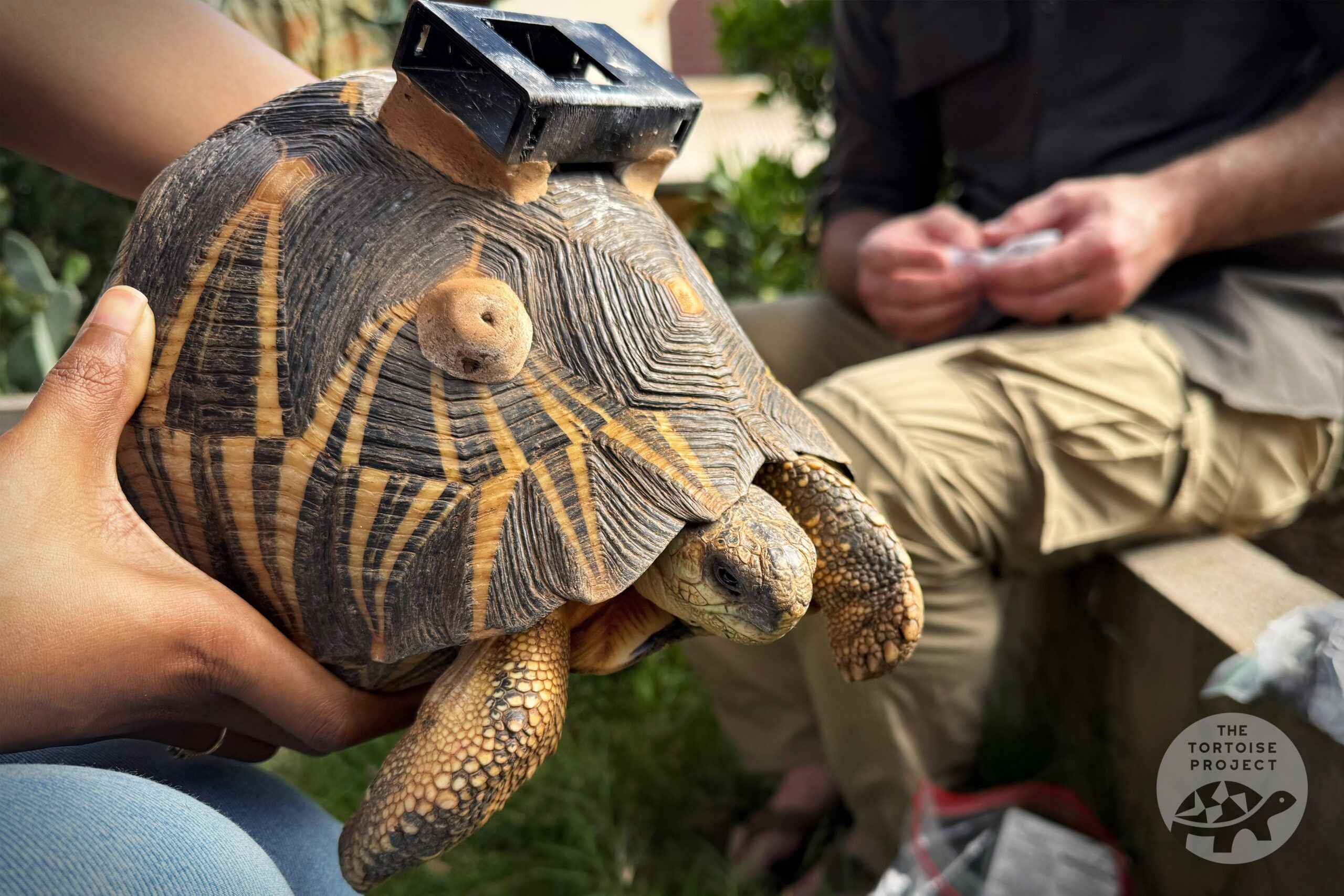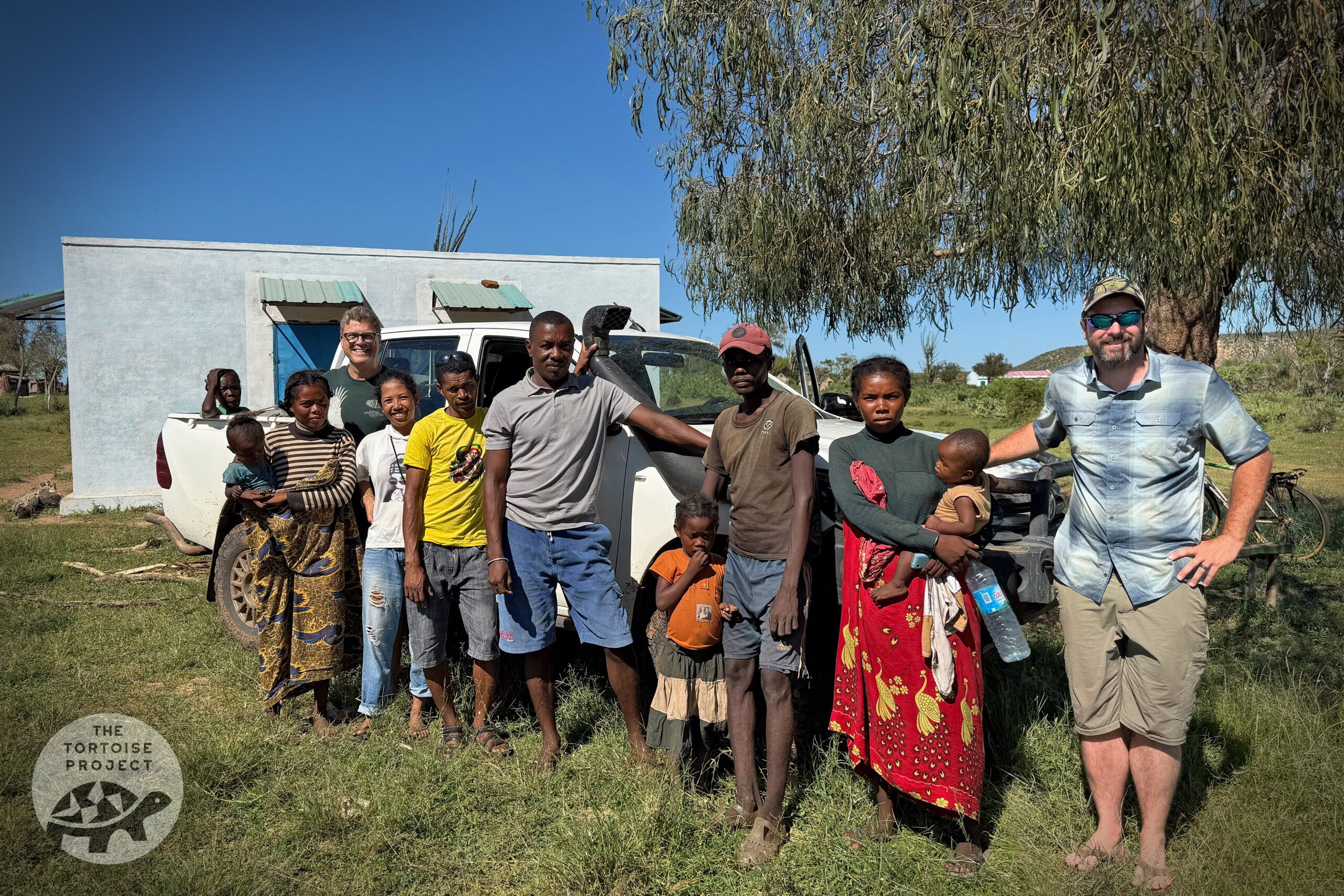

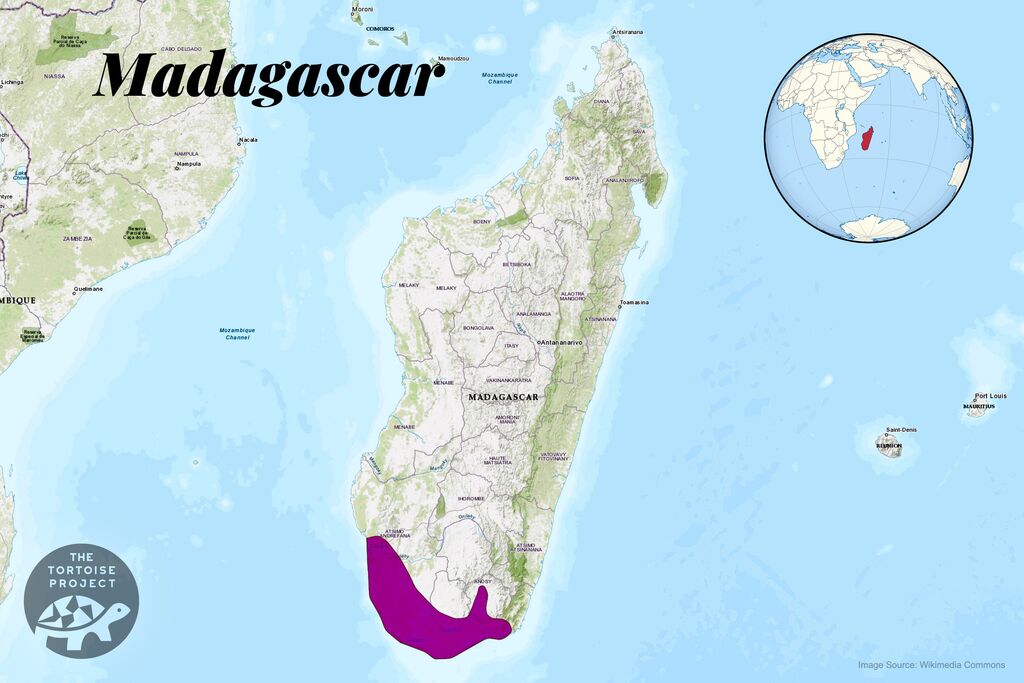
By far my most challenging reporting experience reporting for my book has been a punishing road trip across Madagascar. I joined an expedition team from the Turtle Survival Alliance, led by Lance Paden, to check on its two conservation centers and track more than fifty released tortoises to monitor their success in the wild and to build a more complete picture of their natural behavior and life cycle. With the local tracking team, we hiked up to 10 miles a day to find these tortoises, which roam across a unique landscape known as the spiny forest. Our task was to download GPS tracking data from each tortoise and replace batteries so they could continue to be monitored.
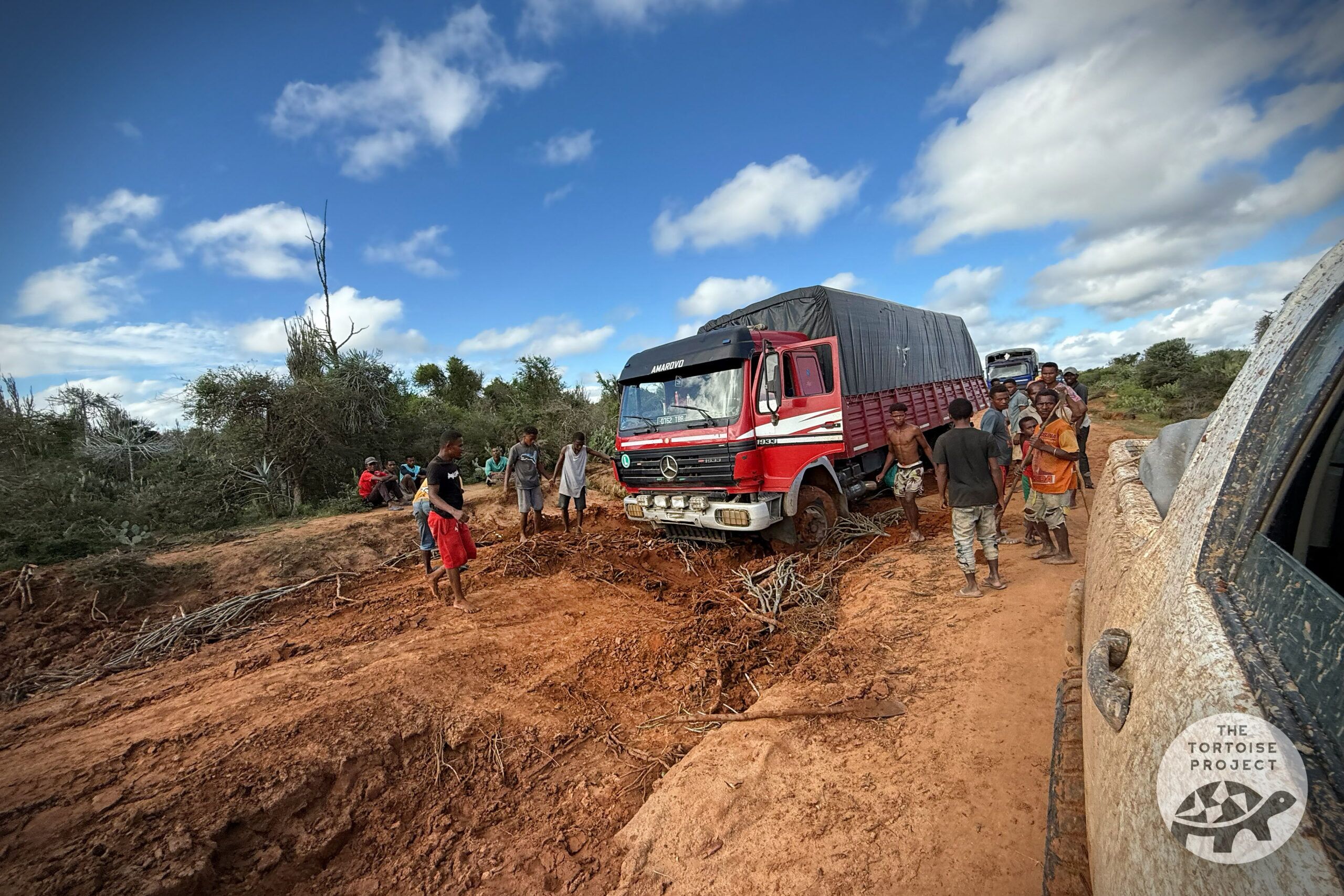
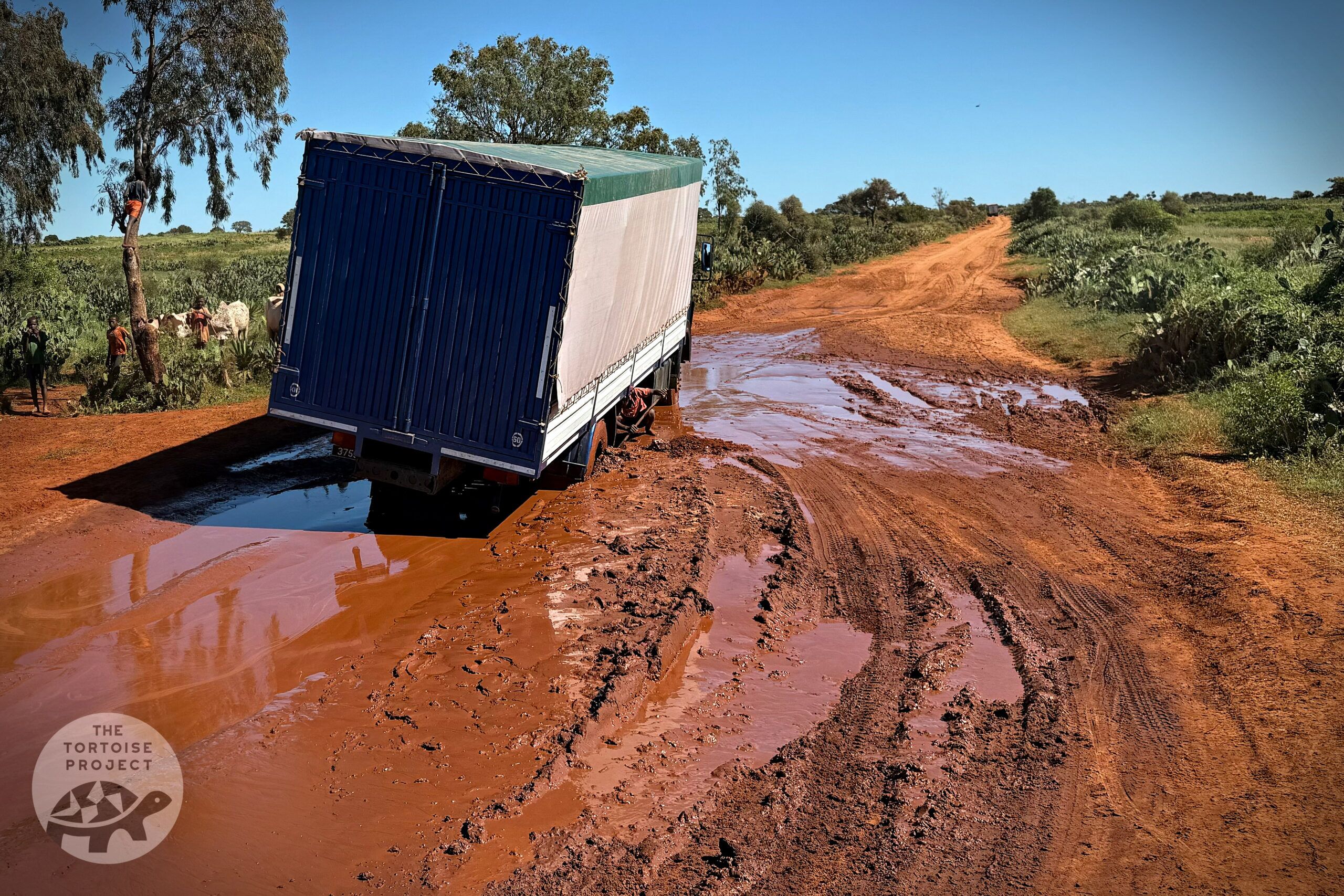
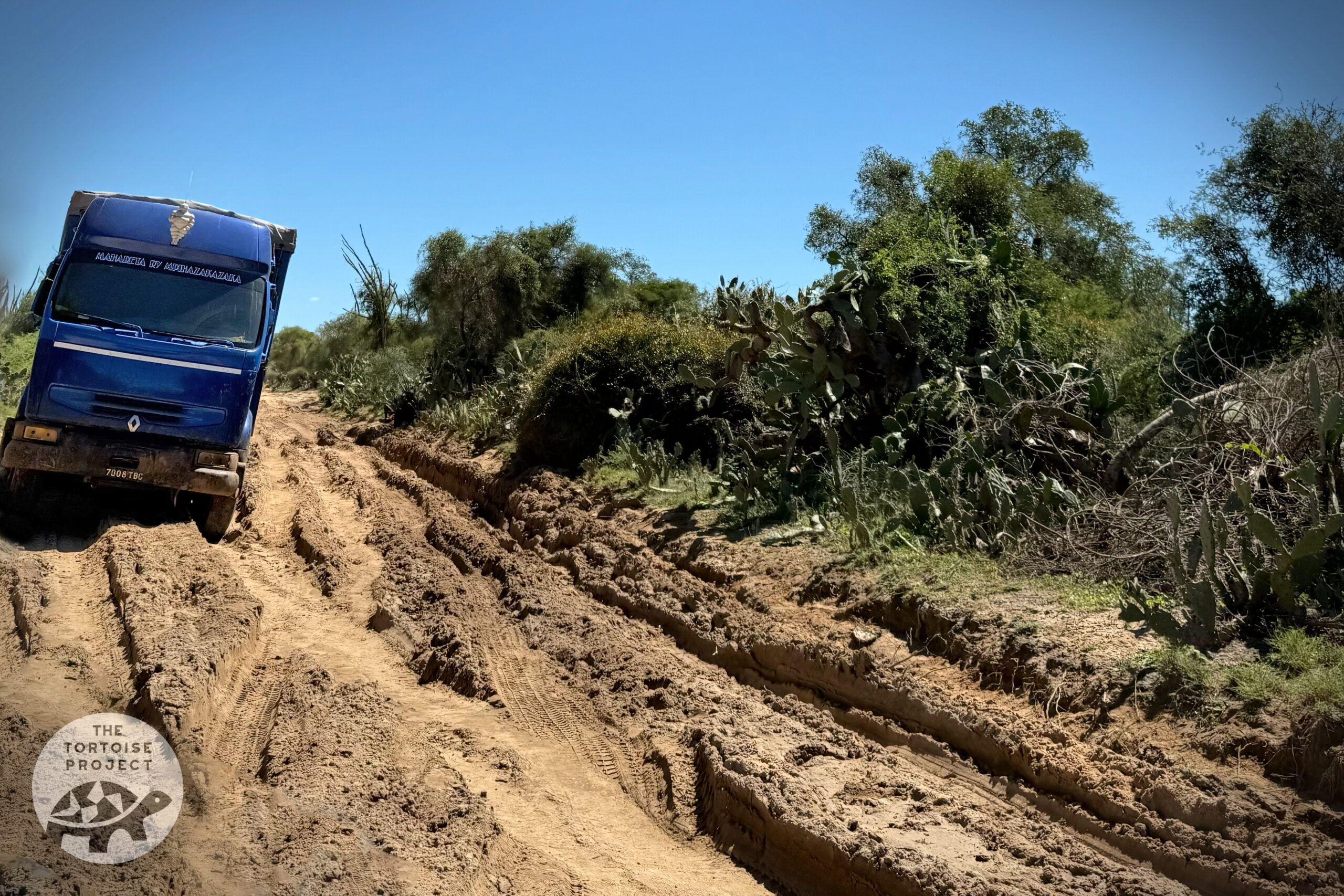
Our most basic challenge was logistical: Driving. We spent three weeks on the road covering about 200 miles. A road started as a paved surface, deteriorated into chaos on the first half-day, turning into mud, ruts, lakes that swallowed the road, or tire-sucking sand. Some days we’d be lucky to cover 20 miles.
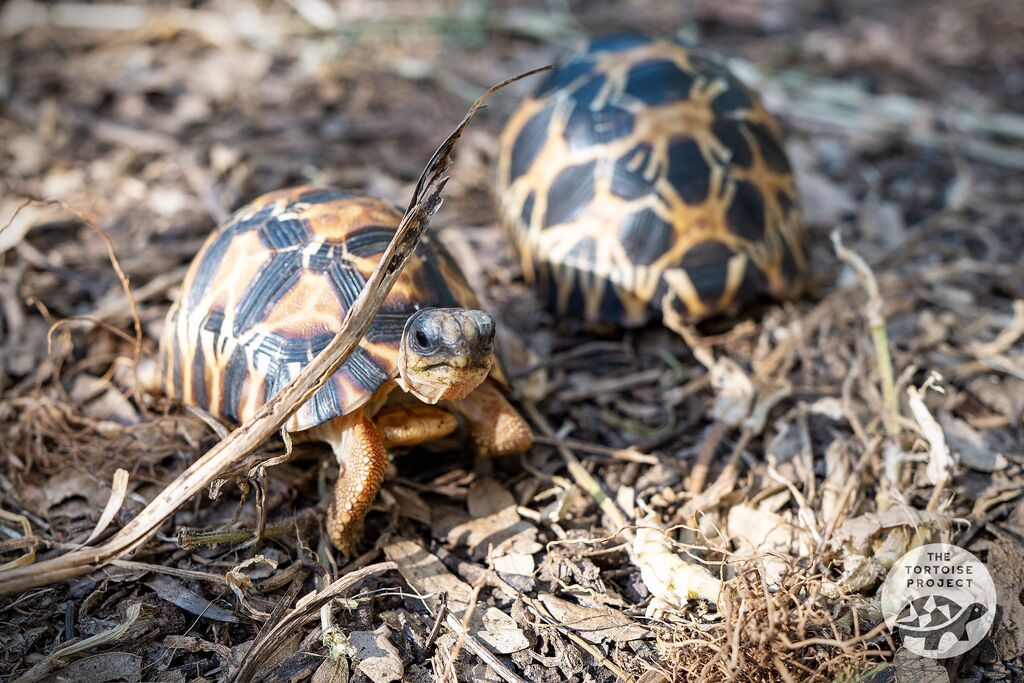
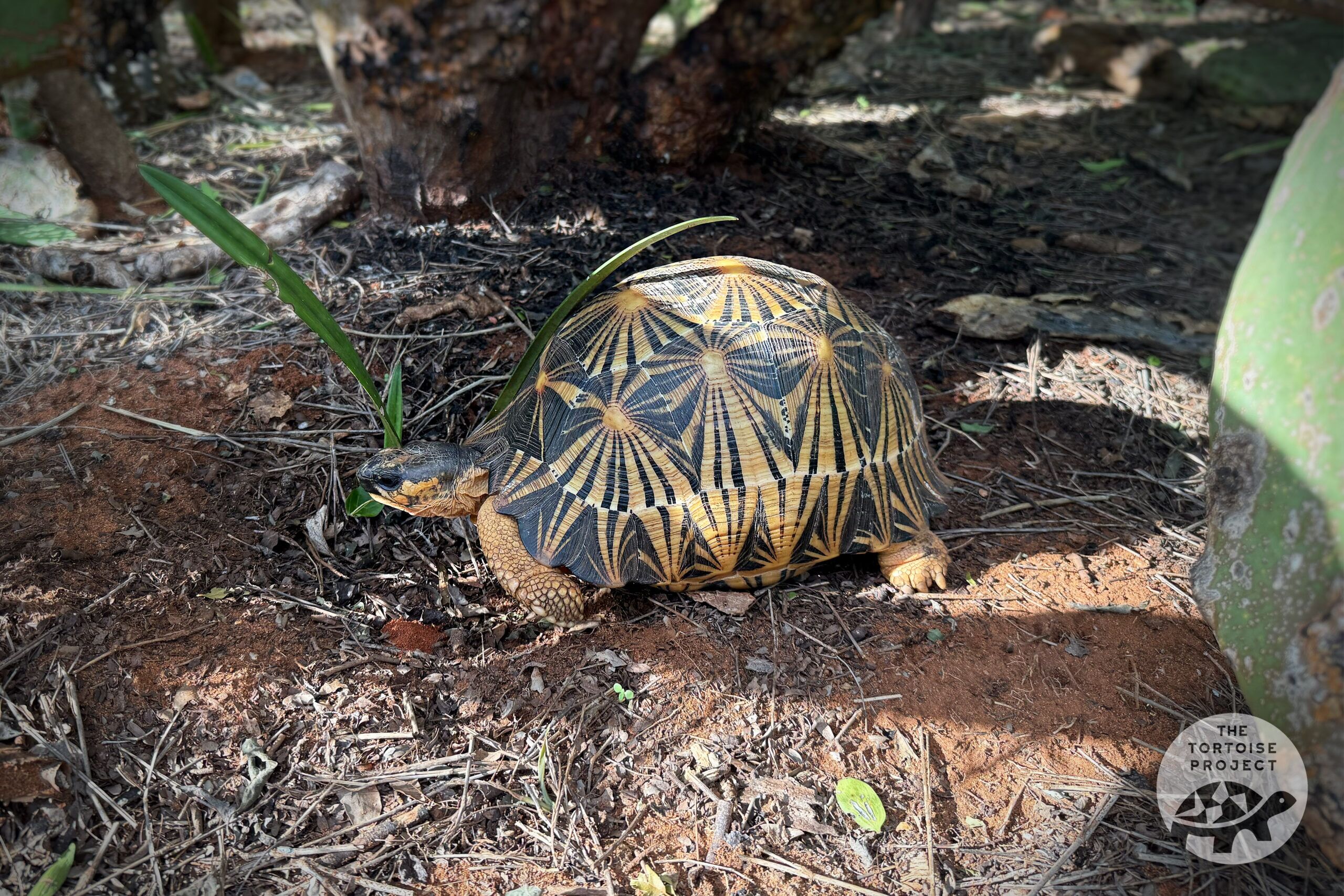
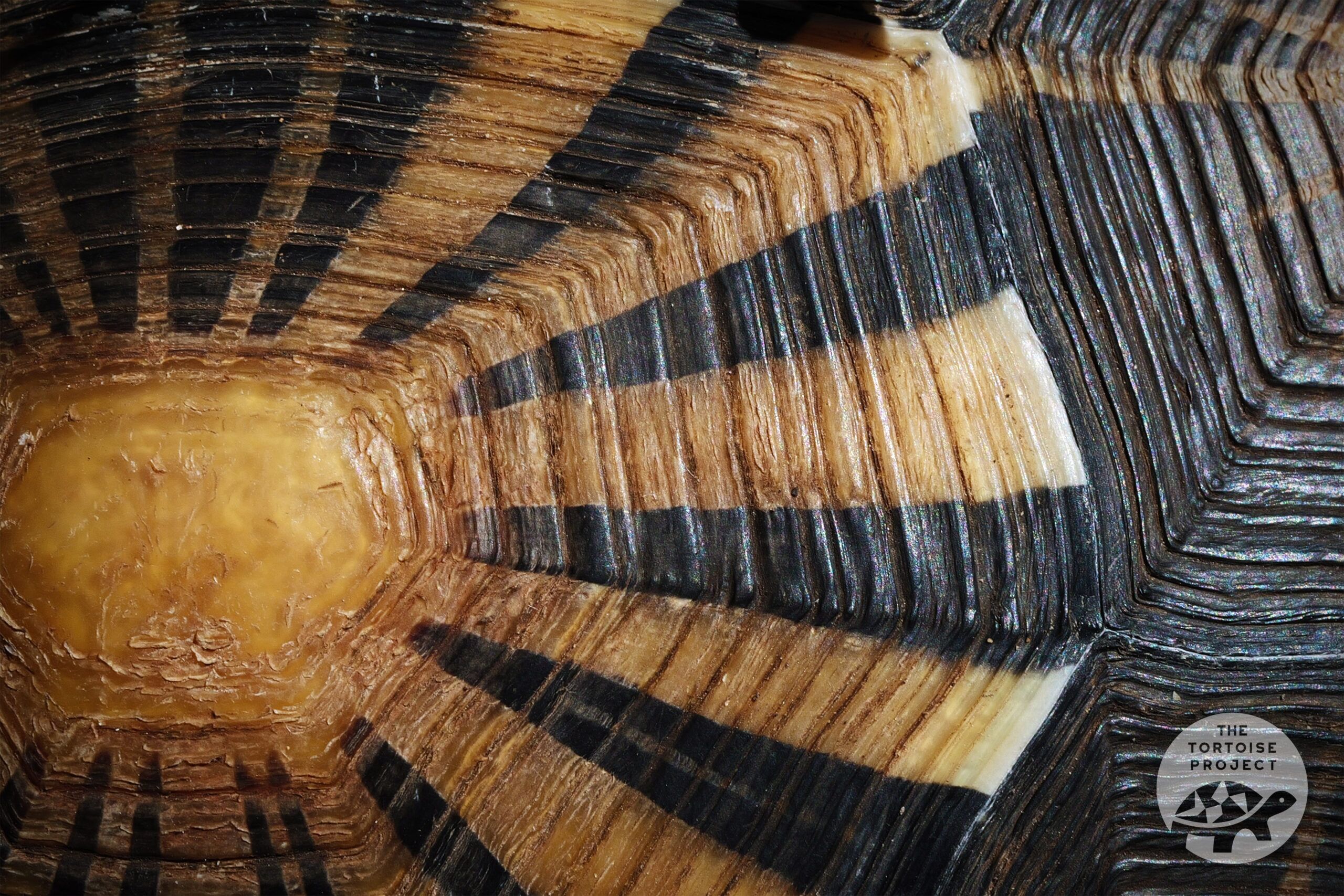
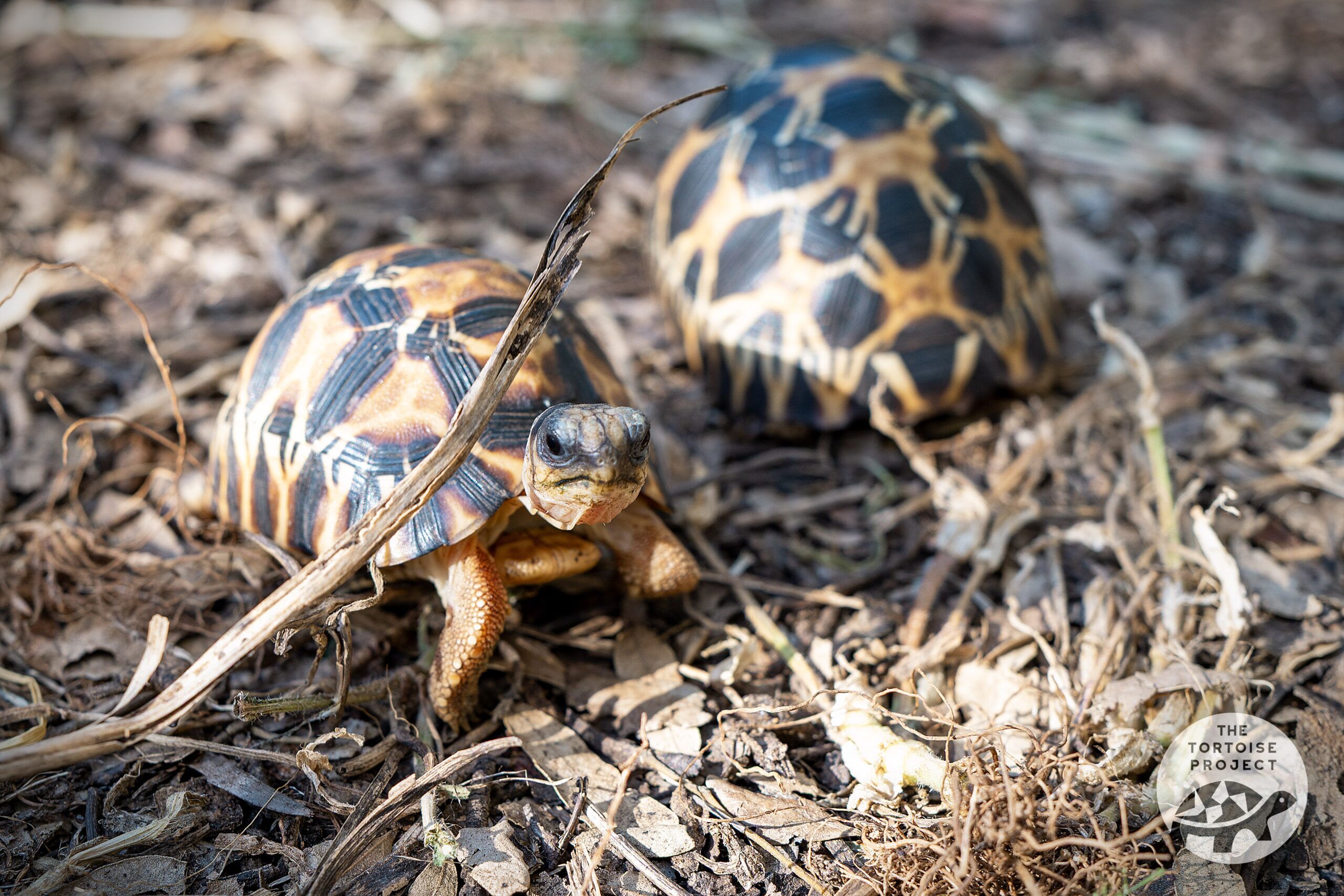
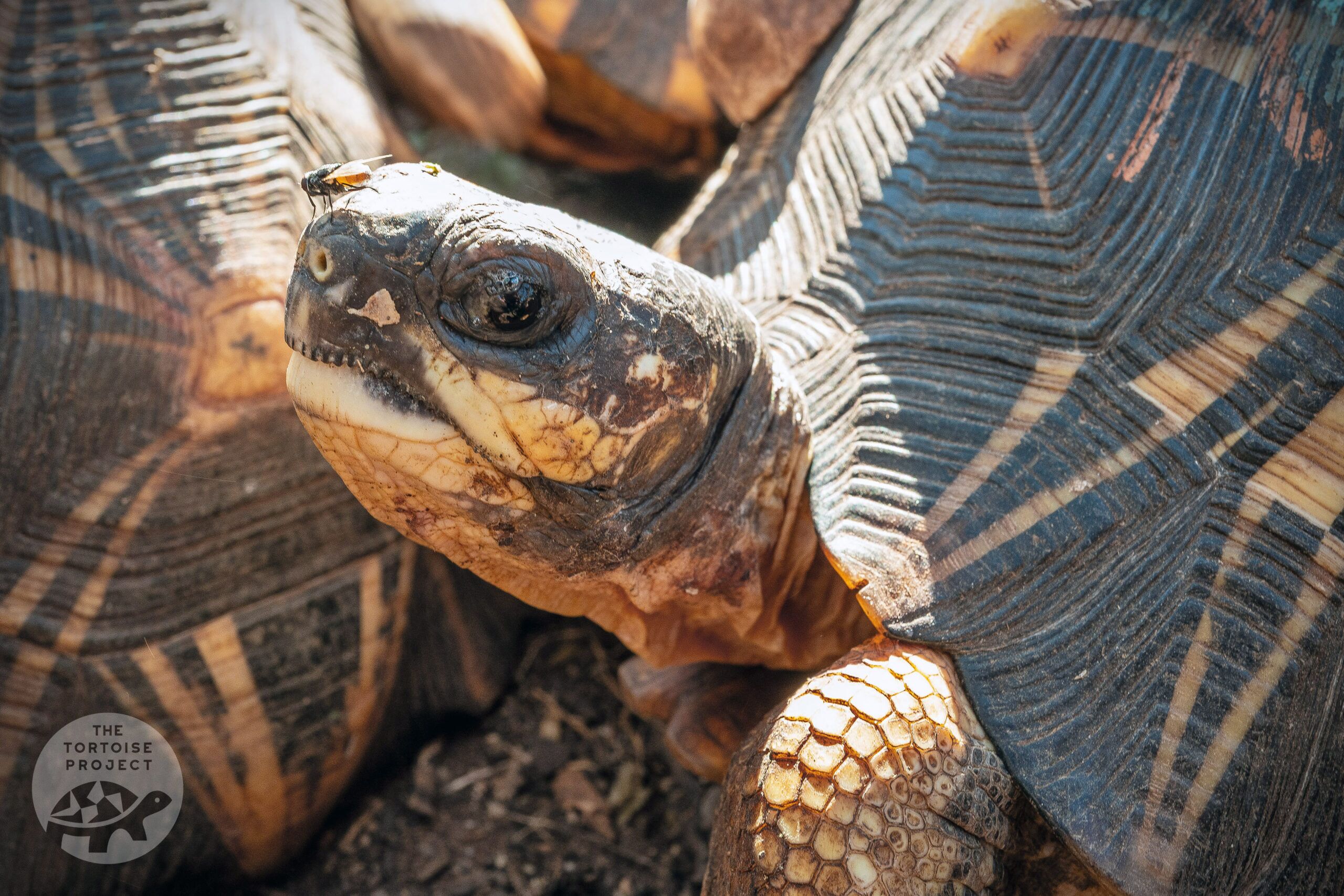
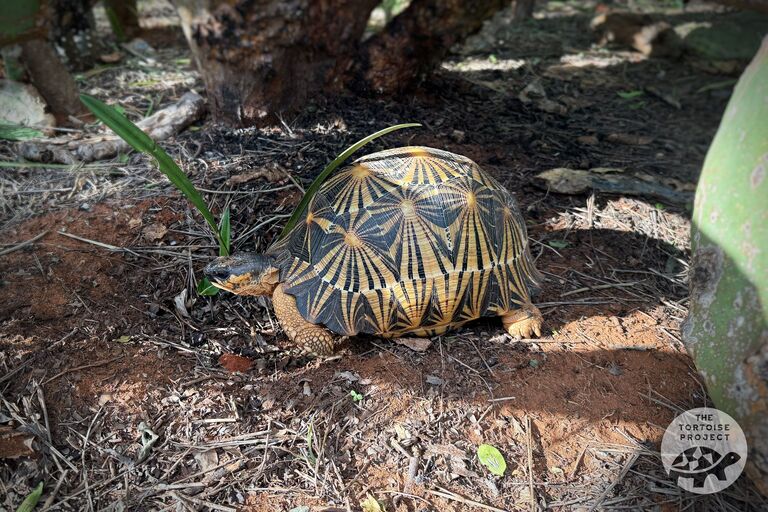
Madagascar’s Radiated tortoises (Astrochelys radiata) are one of the world’s most beautiful tortoises — their extravagantly domed shells are emblazoned with gold stars radiating from the center of each dark-brown scute. Their head and feet are a soft yellow. Adults can grow to 10 or 15 inches long (26 to 38 cm) and weigh up to nearly 20 pounds (8.8 kg).
This species once numbered around 25 million and was the most numerous tortoise species on the planet. But over the past two decades, their numbers have crashed to around two million, a collapse so severe that the species is now classified as Critically Endangered on the IUCN Red List. They face habitat loss from rural farming practices, but relentless poaching is the greatest threat.
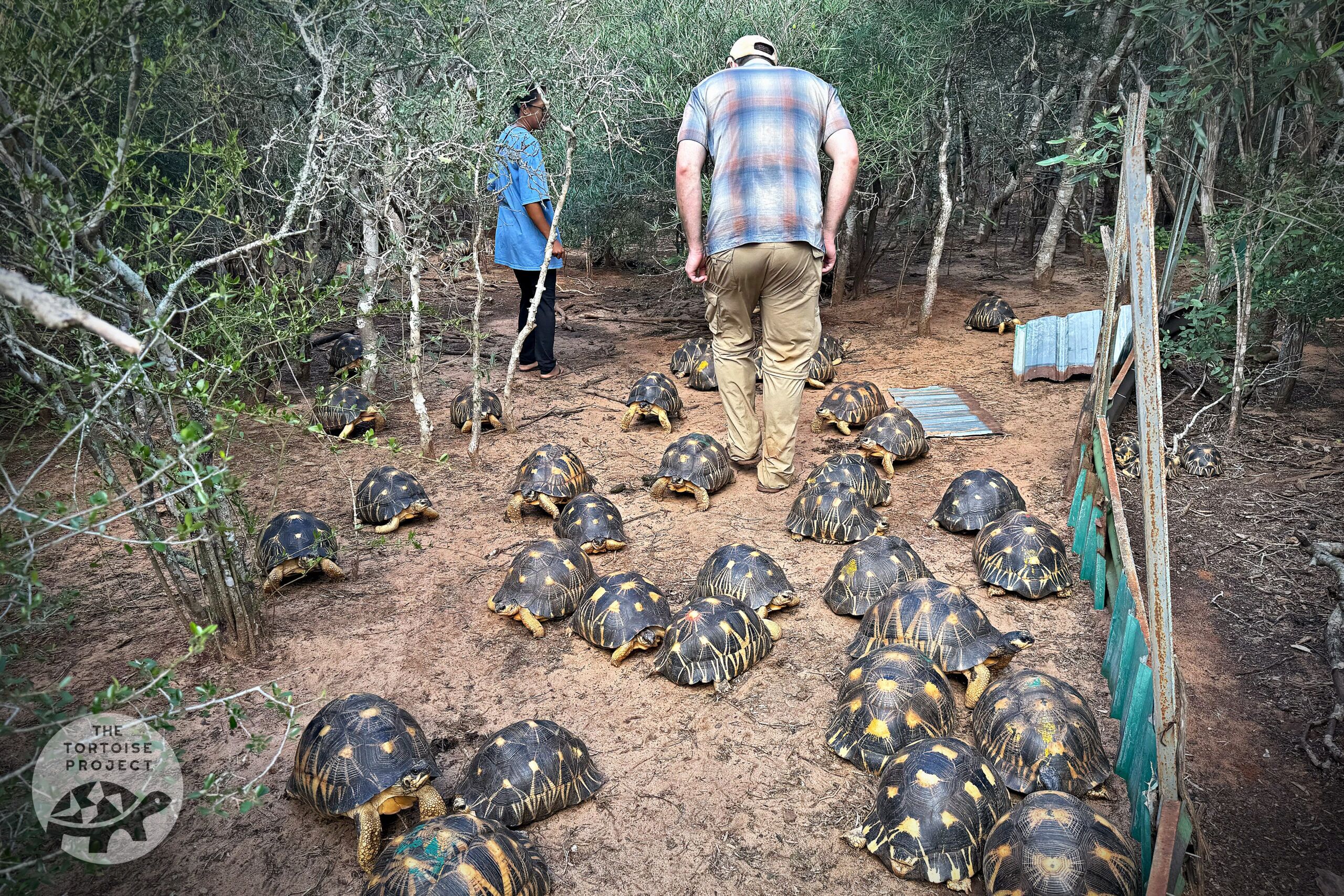
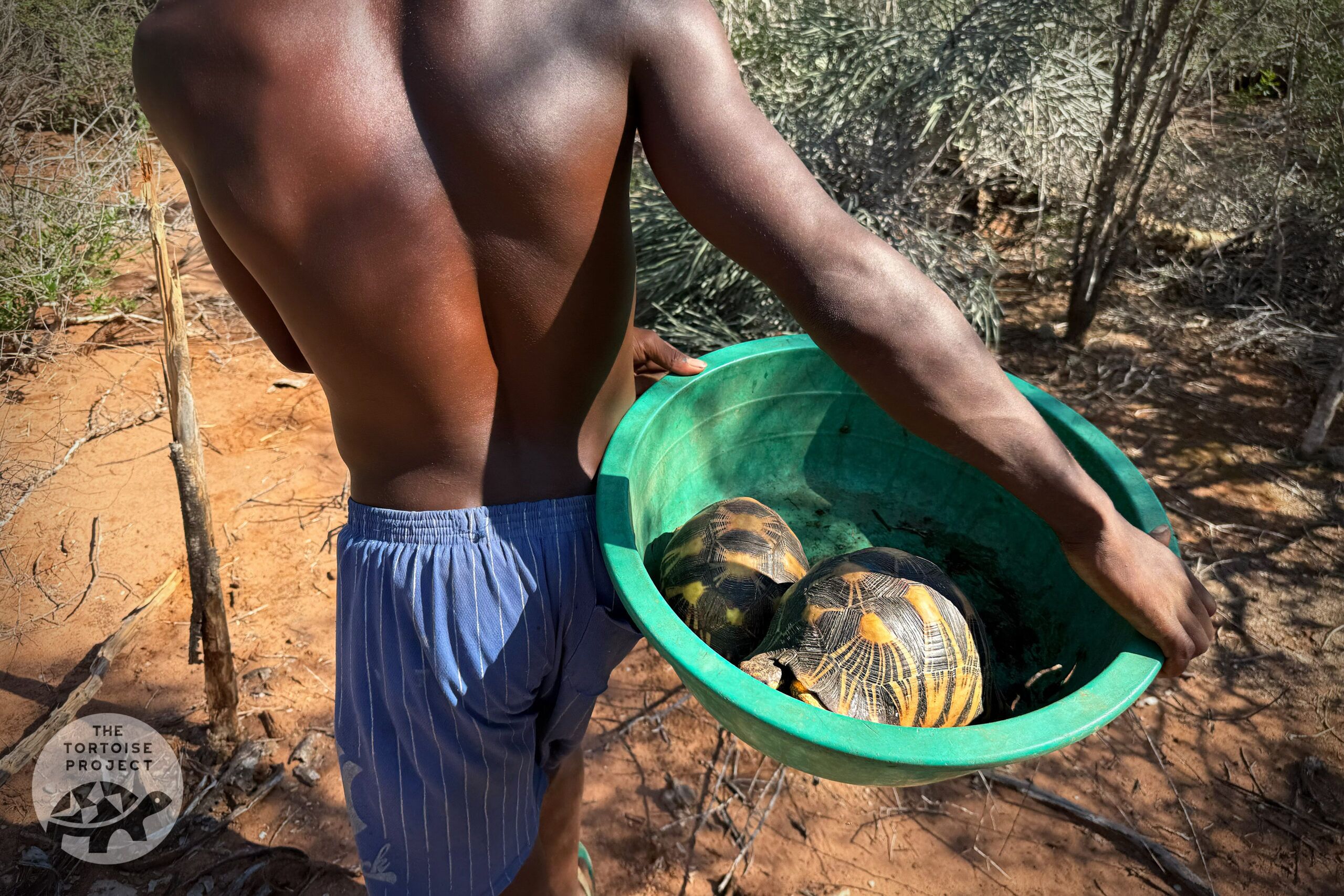
Captured juveniles often end up being trafficked to China’s pet trade. Adult tortoises are more likely to be slaughtered for local consumption in restaurants or made into jerky. But local enforcement efforts are combating this trade, and when poachers are arrested and their tortoises confiscated, the animals are handed to organizations like TSA for rehabilitation and return to the wild. TSA’s conservation center in southern Madagascar is holding around 20,000 tortoises. New tortoises come in all the time. The backlog is enormous. TSA is working to release several thousand into protected areas of the spiny forest where they stand a better chance of living out their lives in peace.
Seeing these amazing creatures up close and in a natural setting was a rare and wonderful privilege, and my Madagascar road trip has become one of the anchors of my book — showing the hardships that tortoise heroes endure to save a species.
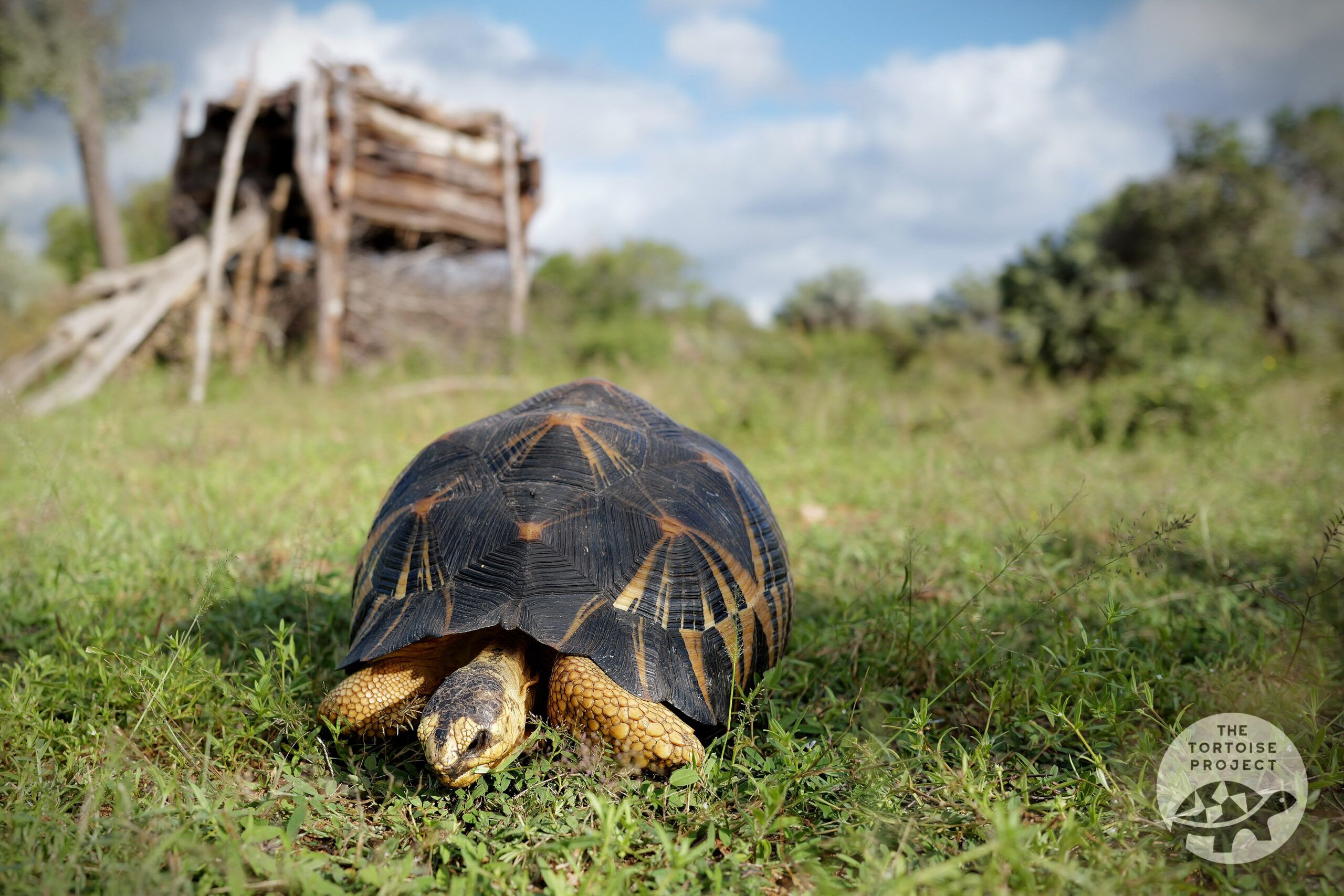
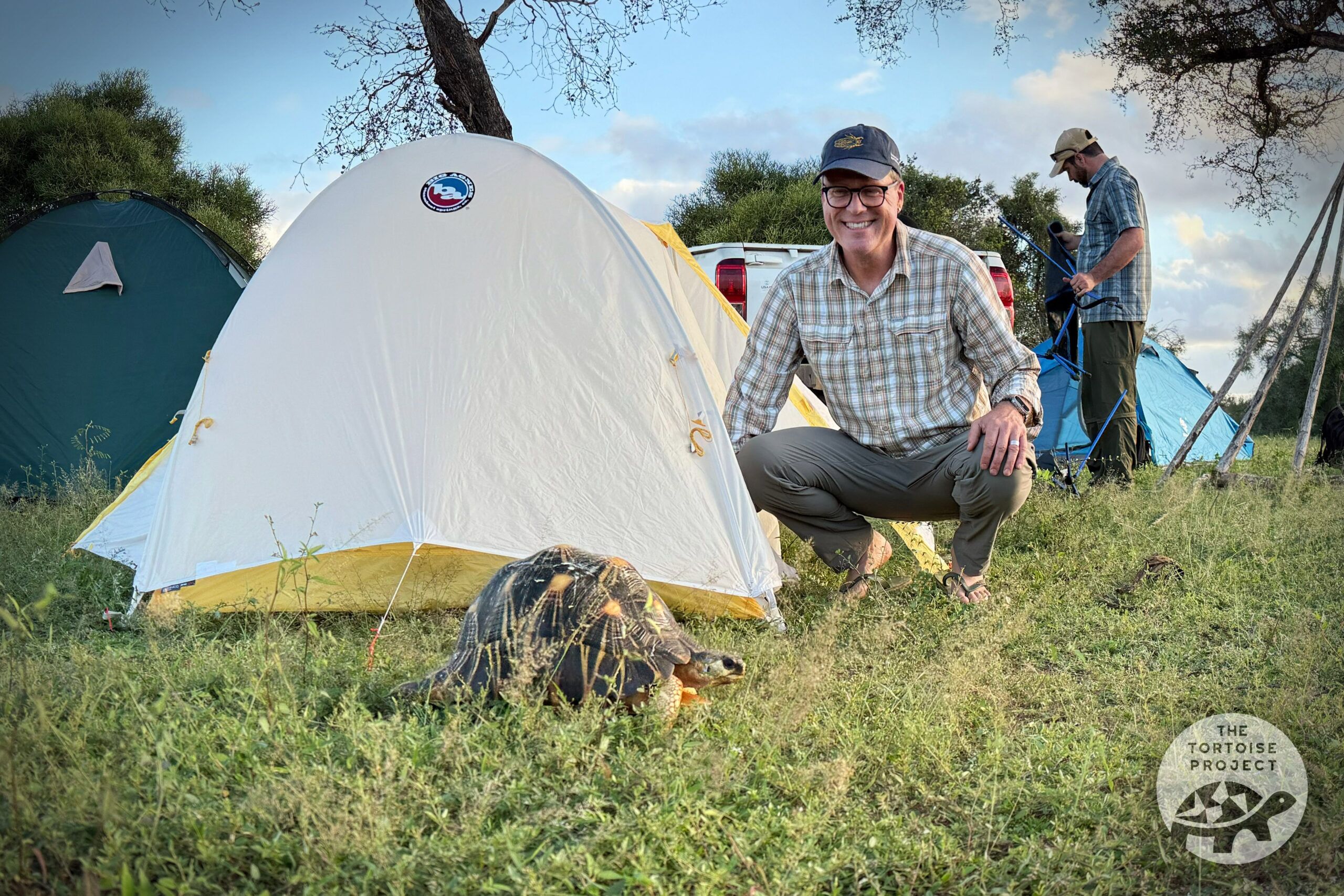
Most thrilling moment: One evening, as the light faded, a tortoise emerged from the edge of the forest onto the field where we had pitched our tents, and pushed through the tall grass until it was close enough for me to reach out and touch.
None of this would have been possible without support from the Turtle Survival Alliance’s Andrew Walde and Rick Hudson, along with Koloina Ramahandrizafy and Hery Lova Razafimamonjiraibe from the Madagascar team. I’m especially grateful to Lance Paden, who invited me to share his experiences in the field. His resilience and deep field knowledge helped make this expedition — and many before it — a success. These are the kind of people who keep conservation alive in places most will never see.